
Statistics reveal that nearly 30% of adults grapple with insomnia, making it a pressing public health issue. Understanding insomnia's various forms and risk factors is vital for effective management and prevention. Let's explore how awareness can lead to actionable solutions for better sleep.
What You Will Learn
- Approximately 30% of adults experience insomnia, highlighting its widespread impact on public health.
- Chronic stress, medical conditions, and lifestyle choices are significant risk factors for insomnia.
- Different types of insomnia—acute, chronic, and comorbid—require tailored treatment approaches.
- Understanding demographic, lifestyle, and environmental factors is crucial for managing insomnia effectively.
- Future research should focus on sleep health equity to address disparities in treatment access and awareness.
Prevalence and Types of Insomnia
Understanding the widespread nature and different forms of insomnia is crucial for effective management. Below, we highlight key statistics and distinctions.
Insomnia Prevalence Among Adults
30%
Experience some form of insomnia
10%
Suffer from chronic insomnia
Key Types of Insomnia
- Acute Insomnia: Short-term, often stress-induced.
- Chronic Insomnia: Lasts ≥ 3 months, linked to underlying issues.
- Comorbid Insomnia: Occurs with other health conditions.
Key Insomnia Risk Factors
- Chronic Stress: Disrupts sleep patterns.
- Medical Conditions: Health issues contribute to disturbances.
- Behavioral Choices: Diet, exercise, screen time impact quality.
Health Impacts of Chronic Insomnia
- Cognitive Decline: Impaired focus & memory.
- Mood Disturbances: Increased irritability & anxiety.
- Serious Health Conditions: Heart disease, diabetes, obesity.
Understanding Insomnia: Defining the Challenge
Have you ever found yourself tossing and turning at night, unable to catch those elusive Zs? You’re definitely not alone! Insomnia is a widespread challenge that affects millions of people worldwide, and understanding its nuances is the first step toward reclaiming restful nights. At Sleep Well Insights, we aim to demystify insomnia and its impact on sleep health, helping you navigate these turbulent waters.
The effects of insomnia can ripple through various aspects of life, leading to diminished productivity, increased stress levels, and even heightened anxiety. Recognizing how insomnia influences your sleep health is vital, as it enables you to explore effective strategies for better sleep. As someone who has delved deep into the world of sleep science, I know firsthand that understanding the problem is half the battle.
The Prevalence of Insomnia and Its Impact on Sleep Health
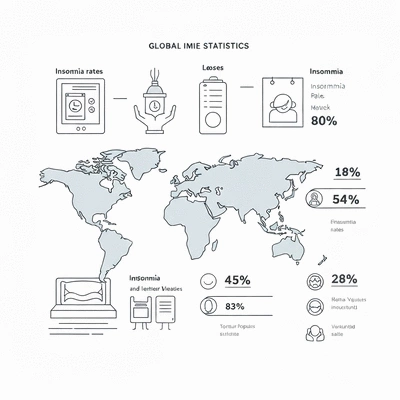
Insomnia is more common than you might think. Studies indicate that approximately 30% of adults experience some form of insomnia, with about 10% suffering from chronic insomnia. This prevalence underlines the importance of addressing this public health issue, as discussed by the Sleep Foundation. Here are some key points to consider:
- Insomnia can lead to daytime fatigue, impaired cognitive function, and mood disturbances.
- Chronic sleep deprivation has been linked to serious health conditions like heart disease, diabetes, and obesity.
- Understanding the significance of sleep is crucial in fostering overall well-being and quality of life.
With these staggering statistics, it becomes clear that insomnia is not just a personal problem but a public health concern that requires greater awareness and understanding.
Why Understanding Insomnia Risk Factors Matters for Public Health
Understanding the risk factors associated with insomnia is essential for implementing effective public health strategies. By identifying who is most at risk, we can tailor interventions to meet the needs of vulnerable groups. The National Heart, Lung, and Blood Institute (NHLBI) provides comprehensive information on these causes. Some significant risk factors include:
- Chronic stress: High levels of stress can disrupt sleep patterns and exacerbate insomnia.
- Medical conditions: Certain health issues can contribute to sleep disturbances.
- Behavioral choices: Lifestyle habits like diet, exercise, and screen time can significantly affect sleep quality.
By recognizing these risk factors, we can create targeted strategies to improve sleep health and reduce insomnia's prevalence in communities. Remember, knowledge is empowering!
Exploring Sleep Disorders: Types of Insomnia and Their Characteristics
Not all insomnia is created equal. There are various types, each with unique characteristics that can influence treatment approaches. For more detailed information on identifying insomnia, you might find resources from the National Sleep Foundation helpful. Here’s a quick overview of the main types of insomnia:
- Acute Insomnia: Often triggered by stress or significant life changes, it lasts for a short duration, typically less than three months.
- Chronic Insomnia: This type persists for three months or longer and can result from underlying medical or psychological issues.
- Comorbid Insomnia: This occurs alongside other conditions, such as depression or anxiety, making the management of sleep issues more complex.
Understanding the specific type of insomnia you’re facing is vital for determining the most effective strategies for improvement. At Sleep Well Insights, we believe that personalized approaches can lead you toward a more fulfilling and restful night's sleep!
Pro Tip
Did you know? Establishing a consistent sleep schedule can significantly improve your sleep quality. Try to go to bed and wake up at the same time every day, even on weekends. This practice helps regulate your body’s internal clock, making it easier to fall asleep and wake up feeling refreshed.
Frequently Asked Questions About Insomnia
- What percentage of adults experience insomnia?
- Approximately 30% of adults experience some form of insomnia, with about 10% suffering from chronic insomnia.
- What are the main types of insomnia?
- The main types are Acute Insomnia (short-term, often stress-induced), Chronic Insomnia (lasts three months or longer), and Comorbid Insomnia (occurs alongside other health conditions).
- What are common risk factors for insomnia?
- Key risk factors include chronic stress, underlying medical conditions, and behavioral choices such as diet, exercise, and screen time.
- How does chronic insomnia affect overall health?
- Chronic insomnia can lead to cognitive decline, mood disturbances, and contribute to serious health conditions like heart disease, diabetes, and obesity.
- What is sleep health equity and why is it important?
- Sleep health equity focuses on addressing disparities in access to resources and treatment for sleep issues across different populations. It's important for ensuring everyone has the tools and knowledge for restful sleep.
Summarizing the Complexities of Insomnia Risk Factors
Insomnia is not just a simple condition but a multifaceted challenge that intertwines various risk factors. From age and gender to socioeconomic status and cultural influences, understanding the interconnectedness of these elements is crucial for effectively addressing insomnia. My journey with Sleep Well Insights has shown me that recognizing these complexities is the first step toward effective management and prevention.
Here’s a snapshot of the main factors that contribute to insomnia risk:
- Demographic factors: Age, gender, and ethnicity can all influence sleep patterns.
- Lifestyle choices: Stress, caffeine, and smoking play significant roles in sleep disruption.
- Medical comorbidities: Conditions like depression and chronic illnesses can exacerbate insomnia.
- Environmental factors: Noise and light exposure significantly affect sleep quality.
By considering these factors, we can foster a deeper understanding of insomnia and its root causes. It’s essential to recognize that improving sleep health is not only about individual actions but also about addressing these complex interrelations.
The Interplay of Multiple Factors in Insomnia Vulnerability
As I delve deeper into the world of sleep health, it becomes increasingly clear that insomnia vulnerability is rarely due to a single factor. Instead, it’s the result of an interplay between various elements. For instance, a person experiencing chronic stress may also face lifestyle factors like poor sleep hygiene or environmental disturbances. Thus, tackling insomnia requires a holistic approach that encompasses all these dimensions.
- Genetic predisposition: Family history can influence one’s susceptibility to insomnia.
- Hormonal changes: Different life stages, especially during pregnancy and menopause, can affect sleep.
- Socioeconomic factors: Limited access to healthcare and safe living conditions can exacerbate sleep issues.
By understanding how these factors interact, we can better tailor interventions and support systems for those struggling with sleeplessness. At Sleep Well Insights, we aim to provide resources that address these interconnected risk factors and empower our readers to seek effective solutions.

Future Directions: Enhancing Sleep Health Equity and Research
Looking ahead, it’s crucial to prioritize research that focuses on sleep health equity. Addressing the disparities in access to resources and treatment options is vital for improving overall sleep quality across diverse populations. As a sleep health advocate, my goal is to contribute to this dialogue through Sleep Well Insights, highlighting the importance of making sleep health information accessible to everyone.
Here are some potential directions for future research and advocacy:
- Understanding disparities: Investigating how different communities experience insomnia.
- Community initiatives: Promoting programs that educate about sleep hygiene and health.
- Policy changes: Advocating for healthcare policies that support sleep health awareness and treatment access.
As we continue to explore these avenues, I invite you to join me in this mission. Together, we can work towards a future where everyone has the tools and knowledge necessary to achieve restful nights and rejuvenated lives.
Taking Action Against Insomnia: A Call to Awareness
Now that we’ve explored the complexities of insomnia, it’s time to take action! Raising awareness about sleep health is crucial, and we can all play a part in this journey. Let’s start the conversation in our communities and break the stigma surrounding insomnia.
Encouraging Dialogue: Discussing Sleep Health in Your Community
Talking openly about sleep issues can help normalize the conversation around insomnia. Whether it’s through community workshops, online forums, or casual discussions with friends, sharing experiences can lead to greater understanding and support.
- Host community events: Organize workshops focused on sleep health education.
- Utilize social media: Share insights and resources about insomnia and sleep wellness.
- Create support groups: Foster environments where individuals can discuss their sleep challenges.
As we create these spaces for dialogue, we can help others feel less isolated in their struggles with insomnia.
Resources for Those Affected: Where to Seek Help for Sleep Issues
For many, knowing where to turn for help is a crucial step. There are numerous resources available for individuals dealing with insomnia, ranging from healthcare professionals to online platforms like Sleep Well Insights. Here are some avenues to explore:
- Consulting healthcare providers: A doctor can help diagnose and treat underlying sleep disorders.
- Sleep clinics: Specialized centers often provide comprehensive evaluations and tailored treatments.
- Online resources: Websites and forums dedicated to sleep health offer valuable information and community support.
Remember, seeking help is a sign of strength, and taking that step can lead to significant improvements in your sleep quality.
Understanding the Role of Sleep Studies and Health Screenings in Diagnosis
Sleep studies and health screenings are vital tools in diagnosing insomnia and related sleep disorders. These assessments can provide insights that lead to effective treatment plans tailored to individual needs. By understanding how these processes work, you can become an informed advocate for your sleep health.
Here’s what to expect during a sleep study:
- Monitoring sleep patterns: Technicians record your sleep stages and any interruptions.
- Assessing health conditions: Screens for conditions like sleep apnea that may disrupt sleep quality.
- Providing data for diagnosis: Results help healthcare providers recommend the best treatment options.
At Sleep Well Insights, we encourage you to consider these assessments as part of a comprehensive approach to improving your sleep health. It’s all about empowering you with knowledge and resources for a restful night’s sleep!
Recap of Key Points
Here is a quick recap of the important points discussed in the article:
- Approximately 30% of adults experience insomnia, highlighting its significance as a public health issue.
- Key risk factors for insomnia include chronic stress, medical conditions, and behavioral choices.
- Different types of insomnia, such as acute and chronic, require tailored approaches for effective management.
- Insomnia’s impact is multifaceted, influenced by demographic, lifestyle, environmental, and medical factors.
- Community awareness and access to resources are essential for improving sleep health equity.