Did you know that sleep is as crucial for your health as diet and exercise? Understanding the significance of sleep can be a game-changer in managing your overall well-being. Delve into the essential insights that will empower you to take charge of your sleep health!
What You Will Learn
- Quality sleep enhances cognitive function, improving learning and memory.
- Adequate sleep stabilizes mood and reduces the risk of anxiety and depression.
- Consistent sleep helps maintain a healthy immune system and weight regulation.
- Disruptions in circadian rhythm can lead to severe sleep issues and health impacts.
- Natural sleep aids often have fewer side effects compared to synthetic options.
- OTC sleep aids should be viewed as a supplement to healthy sleep habits, not a substitute.
The Crucial Role of Sleep: Key Aspects & Disorders
Sleep is fundamental to our overall well-being, impacting cognitive function, mood, and physical health. Below, we highlight the vital reasons sleep matters and common disorders that disrupt it.
Why Sleep Matters
- Cognitive Function: Enhances learning & concentration.
- Mood Regulation: Stabilizes mood, reduces anxiety.
- Physical Health: Supports immunity & weight regulation.
- Stress Reduction: Lowers stress levels.
Common Sleep Disorders
- Insomnia: Difficulty falling/staying asleep.
- Sleep Apnea: Interrupted breathing during sleep.
- Restless Legs Syndrome: Urge to move legs.
- Narcolepsy: Excessive daytime sleepiness.
Understanding the Importance of Sleep and Its Impact on Health
Have you ever wondered why a good night’s sleep is essential for our overall well-being? Sleep is not just a time for your body to recharge; it plays a vital role in various aspects of health. Without adequate sleep, our physical, emotional, and mental health can take a hit. It's like trying to run a car without enough fuel—eventually, it will sputter and stop. At Sleep Well Insights, we believe that understanding the importance of sleep is the first step in managing insomnia and enhancing your quality of life!
So, why exactly does sleep matter? It helps with memory consolidation, promotes emotional regulation, and even boosts immune function. When you sleep, your body repairs itself, clears out toxins, and regulates hormones. This multifaceted process is crucial for maintaining balance in your life. In short, quality sleep is an investment in your health!

Why Sleep Matters for Overall Well-Being
Here are some key reasons why sleep is crucial for our well-being:
- Cognitive Function: Sleep enhances your ability to learn, concentrate, and solve problems.
- Mood Regulation: A good night’s sleep can help stabilize your mood and reduce the risk of anxiety and depression.
- Physical Health: Quality sleep supports your immune system and helps with weight regulation.
- Stress Reduction: Adequate sleep can lower stress levels, promoting a more resilient mindset.
When you consistently prioritize good sleep, you'll likely find yourself feeling more energetic and focused throughout your day. That’s the beauty of investing in your sleep health—it pays off in numerous ways!
Common Sleep Disorders and Their Symptoms
While some of us may enjoy peaceful nights, others struggle with sleep disorders that disrupt their rest. Here are some common disorders and their symptoms:
- Insomnia: Difficulty falling or staying asleep, often accompanied by fatigue during the day.
- Sleep Apnea: Characterized by interrupted breathing during sleep, leading to snoring and daytime sleepiness.
- Restless Legs Syndrome: A strong urge to move your legs, often accompanied by uncomfortable sensations.
- Narcolepsy: Excessive daytime sleepiness and sudden sleep attacks, which can be harmful.
If you're experiencing any of these symptoms, it’s important to seek guidance. At Sleep Well Insights, we’re dedicated to helping you identify these issues and find effective solutions!
The Role of Sleep in Maintaining Circadian Rhythm
Your body follows a natural clock known as the circadian rhythm, which regulates sleep-wake cycles. Essentially, it’s your internal timekeeper, signaling when it’s time to sleep and wake up. Disruptions to this rhythm can lead to serious sleep issues and impact your overall health. Here’s how sleep contributes to maintaining your circadian rhythm:
- Light Exposure: Natural light influences hormone production, helping to regulate sleep patterns.
- Consistent Sleep Schedule: Going to bed and waking up at the same time reinforces your body's clock.
- Melatonin Production: Sleep helps your body produce melatonin, a hormone that promotes sleepiness.
By understanding how these elements work together, you can take proactive steps to enhance your sleep quality. Remember, a well-regulated circadian rhythm is key to achieving restful nights and rejuvenated days!
We Want to Hear From You!
Have you ever experienced a night where sleep just wouldn't come? What strategies have you found helpful in overcoming those sleepless nights? Share your thoughts below:
Evaluating Over-the-Counter Sleep Aids: What You Need to Know
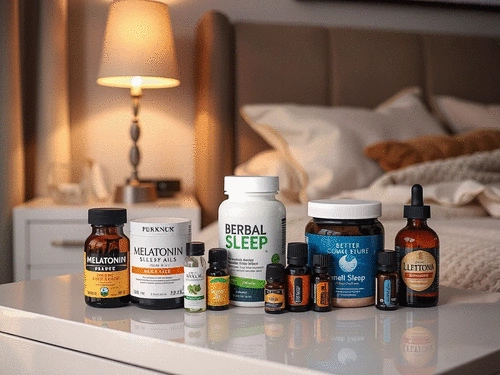
When it comes to improving our sleep, many of us turn to over-the-counter (OTC) sleep aids. But how do these products really work, and what should you keep in mind when choosing one? At Sleep Well Insights, I want to help you navigate the world of sleep supplements so you can make informed choices that support your well-being.
In this section, I’ll break down the mechanisms behind OTC sleep aids, highlight the differences between natural and synthetic options, and explain the regulations surrounding non-prescription sleep products. Let’s dive in!

How OTC Sleep Aids Work: Mechanisms and Expectations
OTC sleep aids often function by influencing neurotransmitters in the brain, which play crucial roles in regulating sleep. Here’s a quick overview of how they typically work:
- Histamine Blockers: Ingredients like diphenhydramine block histamine receptors, promoting drowsiness.
- Melatonin: A hormone that signals your body to prepare for sleep, helping regulate your internal clock.
- Herbal Ingredients: Substances like valerian root may enhance relaxation and reduce anxiety, making it easier to fall asleep.
While these mechanisms can be effective, it’s important to set realistic expectations. These aids can help, but they are not a replacement for healthy sleep habits. Always remember that your body’s response can vary, so finding what works best for you might take some time.
Natural vs. Synthetic Sleep Supplements: What’s the Difference?
Choosing between natural and synthetic sleep aids can be confusing. Here’s a breakdown of their key differences:
- Natural Supplements: Typically derived from plants, they often have fewer side effects and are viewed as gentler on the body. Examples include melatonin and valerian root.
- Synthetic Aids: These are manufactured and tend to work more quickly, but they may come with a higher risk of side effects, such as grogginess or dependency. A comprehensive comparison of sleep medications can provide further insights.
As a sleep health advocate, I encourage you to consider your personal health history and preferences when making this choice. Natural supplements can be effective and may align better with your lifestyle, while synthetic options might be suitable for short-term use.
Understanding Non-Prescription Sleep Aids and Their Regulations
Non-prescription sleep aids are regulated differently than prescription medications. Here are some key points to keep in mind:
- FDA Oversight: While OTC sleep aids must meet safety standards, they are not subjected to the same rigorous testing as prescription drugs. The FDA provides detailed monographs on various OTC drug products, including nighttime sleep aids.
- Labeling Requirements: Manufacturers must provide clear labeling on the active ingredients and potential side effects. Always read the label!
- Consultation with Healthcare Providers: It’s wise to discuss your options with a healthcare provider, especially if you are taking other medications or have underlying health conditions.
Understanding these regulations can help you feel more confident as you evaluate different sleep aids. Remember, being informed is a vital part of your journey toward better sleep!
Frequently Asked Questions About Sleep and OTC Aids
- Q: Why is sleep considered crucial for overall health?
- A: Sleep is vital for cognitive function, mood regulation, physical health (immune system and weight), and stress reduction. It allows the body to repair itself, clear toxins, and regulate hormones, all of which are essential for maintaining overall well-being.
- Q: What are some common sleep disorders?
- A: Common sleep disorders include insomnia (difficulty falling/staying asleep), sleep apnea (interrupted breathing during sleep), restless legs syndrome (urge to move legs), and narcolepsy (excessive daytime sleepiness).
- Q: How does sleep affect the circadian rhythm?
- A: Sleep plays a critical role in maintaining your circadian rhythm, which is your body's natural sleep-wake cycle. Natural light exposure, consistent sleep schedules, and melatonin production all contribute to a well-regulated circadian rhythm, ensuring restful nights and energetic days.
- Q: How do over-the-counter (OTC) sleep aids work?
- A: OTC sleep aids typically work by influencing neurotransmitters in the brain. Examples include histamine blockers (like diphenhydramine) that promote drowsiness, melatonin which signals the body to prepare for sleep, and herbal ingredients (like valerian root) that enhance relaxation.
- Q: What is the difference between natural and synthetic sleep supplements?
- A: Natural supplements are usually plant-derived, tend to have fewer side effects, and are considered gentler. Synthetic aids are manufactured, often work faster, but may carry a higher risk of side effects such as grogginess or dependency. The choice often depends on personal health history and preferences.
- Q: Are non-prescription sleep aids regulated?
- A: Yes, non-prescription sleep aids are regulated by bodies like the FDA, meaning they must meet safety standards and have clear labeling regarding active ingredients and potential side effects. However, they do not undergo the same rigorous testing as prescription drugs, making consultation with a healthcare provider advisable.
Recap of Key Points
Here is a quick recap of the important points discussed in the article:
- Cognitive Function: Sleep enhances your ability to learn, concentrate, and solve problems.
- Mood Regulation: A good night’s sleep can help stabilize your mood and reduce the risk of anxiety and depression.
- Physical Health: Quality sleep supports your immune system and helps with weight regulation.
- Common Sleep Disorders: Be aware of insomnia, sleep apnea, restless legs syndrome, and narcolepsy.
- Circadian Rhythm: Maintain a consistent sleep schedule and exposure to natural light to support your body’s internal clock.
- OTC Sleep Aids: Understand the mechanisms and consult with healthcare providers for safe usage.