
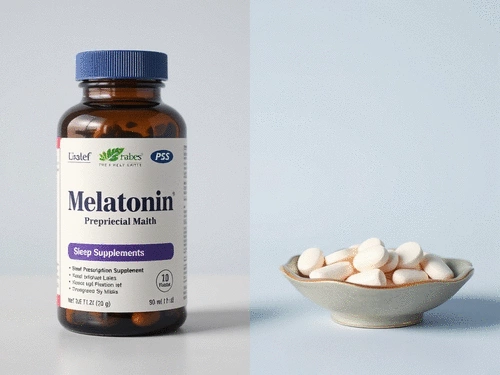
Are you struggling to get a good night's sleep? You're not alone. Many individuals grapple with the complexities of sleep aids, from melatonin supplements to prescription medications. Understanding the right choice for your unique situation can be the key to unlocking restful nights.
What You Will Learn
- Melatonin is a natural hormone that regulates sleep cycles, making it beneficial for occasional sleeplessness.
- Prescription sleep medications can be effective for chronic insomnia but may carry risks of dependency and side effects.
- Consulting with a healthcare provider is essential in determining the best sleep aid for individual needs and conditions.
- It's crucial to personalize your approach to sleep aids based on specific challenges like stress, lifestyle, and sleep patterns.
Melatonin vs. Prescription Sleep Medications: A Comparative Overview
This visual compares Melatonin and Prescription Sleep Medications across key aspects, highlighting their differences in effectiveness and safety for informed decision-making.
Melatonin: Natural Sleep Regulator
- Naturally produced hormone, regulates circadian rhythm.
- Often used for jet lag, mild insomnia, shift work.
- Generally safe for short-term use with minimal side effects.
Prescription Sleep Medications
- Includes benzodiazepines, non-benzodiazepine sedatives.
- For severe/chronic insomnia, various mechanisms of action.
- Potential for dependency and more significant side effects.
Key Difference: Availability & Strength
Melatonin (OTC) is generally milder for occasional use, while prescription meds are stronger, targeting more severe conditions and requiring medical oversight.
Recommendation: Personalize Your Approach
Consider your specific sleep challenges (stress, anxiety, chronic issues) and consult a healthcare provider to find the best fit for your individual needs.
Understanding Melatonin Supplements and Prescription Sleep Medications
In our journey through the world of sleep, understanding the tools available to us is crucial. Melatonin supplements and prescription sleep medications are two popular options that many consider when facing sleeplessness. But what exactly are these substances, and how do they differ? In this section, we will explore their definitions, roles, and the distinctions between them.
Defining Melatonin and Its Role in Sleep
Melatonin is a hormone produced naturally by our body, primarily in response to darkness. It plays a key role in regulating our circadian rhythms—essentially, our internal clock that dictates sleep patterns. When nighttime falls, melatonin levels rise, signaling to our bodies that it’s time to wind down and prepare for sleep. For many individuals, especially those battling insomnia, melatonin supplements can serve as a helpful aid in promoting restful sleep.
- Melatonin helps to regulate sleep-wake cycles.
- It is often used to treat sleep disorders, including jet lag and shift work disorder.
- Natural production can be disrupted by factors such as light exposure and stress.
Using melatonin supplements can provide a boost, particularly for those who struggle with initiating sleep. However, it's important to remember that while melatonin can be beneficial, it is not a one-size-fits-all solution. Understanding how it works can help you make informed decisions about your sleep health! For more information on what you need to know about melatonin, you can refer to resources from the National Center for Complementary and Integrative Health.
Overview of Prescription Sleep Medications
Prescription sleep medications encompass a range of drugs designed to aid individuals in achieving better sleep. These medications can vary widely in their mechanisms of action and intended use. Common types include benzodiazepines, non-benzodiazepine sedatives, and antidepressants, each targeting different aspects of sleep issues. The Sleep Foundation offers comparisons of various sleep medications to help understand their differences.
- Benzodiazepines: Often prescribed for short-term insomnia treatment.
- Non-benzodiazepine sedatives: Aimed at reducing sleep onset latency without as many dependency risks.
- Antidepressants: Sometimes used off-label for their sedative effects in those with co-occurring depression and insomnia.
While prescription medications can be effective, they often come with potential side effects and risks, which we’ll delve into later. It's essential to consult healthcare providers to find the right solution suited to individual needs.
Differences Between Over-the-Counter and Prescription Sleep Aids
When considering sleep aids, the distinction between over-the-counter (OTC) options and prescription medications is vital. OTC sleep aids typically include antihistamines or herbal supplements like valerian root and are readily available without a doctor's prescription. They can be a good starting point for individuals experiencing occasional sleeplessness.
- OTC sleep aids: Generally milder, with lower risk of dependency.
- Prescription sleep medications: Often stronger, with indications for more severe sleep disorders.
- Consultation with a healthcare provider is recommended for long-term use of any sleep aid.
Ultimately, the choice between OTC and prescription sleep aids depends on individual circumstances and sleep challenges. As someone who has researched and advocated for better sleep health, I encourage you to explore your options fully and engage with healthcare professionals to tailor your approach.
Pro Tip
When considering melatonin supplements or prescription sleep medications, remember that timing and dosage can significantly impact their effectiveness. For melatonin, taking it 30-60 minutes before bedtime can help align your body's natural sleep-wake cycle. Additionally, discuss with your healthcare provider about the appropriate dosage of prescription medications, as starting low and adjusting based on your response can minimize side effects.
Frequently Asked Questions About Sleep Aids
Here are some common questions about melatonin and prescription sleep medications to help you make informed decisions about your sleep health.
- Q: What is melatonin and how does it work?
- A: Melatonin is a natural hormone produced by the body that regulates sleep-wake cycles (circadian rhythms). It signals to the body that it's time to prepare for sleep as darkness falls.
- Q: What are the main types of prescription sleep medications?
- A: Prescription sleep medications include benzodiazepines, non-benzodiazepine sedatives, and sometimes antidepressants, each working differently to address sleep issues.
- Q: What is the key difference between OTC and prescription sleep aids?
- A: OTC sleep aids like melatonin are generally milder and used for occasional sleeplessness, while prescription medications are stronger, target more severe sleep disorders, and require medical oversight due to potential side effects and dependency risks.
- Q: When should I consider using melatonin?
- A: Melatonin is often recommended for short-term sleep disruptions such as jet lag, mild insomnia, or adjusting to shift work, as it helps regulate the body's natural sleep rhythm.
- Q: What are the potential risks of prescription sleep medications?
- A: Prescription sleep medications can carry risks such as dependency, withdrawal symptoms, and various side effects, which can vary depending on the specific medication. It's crucial to discuss these with a healthcare provider.
- Q: Is it important to consult a healthcare provider before taking sleep aids?
- A: Yes, consulting a healthcare provider is essential for determining the most appropriate sleep aid for your individual needs, especially for chronic insomnia or when considering prescription medications, to ensure safety and effectiveness.
Key Takeaways on Choosing Between Melatonin and Prescription Sleep Medications
When it comes to navigating the world of sleep aids, understanding the differences between melatonin and prescription sleep medications can be a game changer. Each option has its own unique effectiveness and safety profile that can influence your sleep quality. Here are some key points to consider:
- Melatonin is a natural hormone that helps regulate sleep cycles, making it a suitable choice for those with occasional sleep disruptions.
- Prescription medications can be effective for more serious sleep disorders, but they often come with a risk of side effects.
- Consulting with a healthcare provider is crucial in determining which option best suits your individual needs.
It's important to weigh these factors carefully. For example, while melatonin might help you drift off faster, prescription medications may be necessary for those dealing with chronic insomnia. Understanding these nuances can empower you to make informed choices about your sleep.
Summarizing Effectiveness and Safety Considerations
In my experience at Sleep Well Insights, I find that addressing both effectiveness and safety is vital when choosing a sleep aid. Here’s a quick summary:
- Melatonin: Generally safe for short-term use; minimal side effects; best for jet lag and mild insomnia.
- Prescription medications: Can provide quick relief, but may lead to dependency; longer-term use can result in more side effects.
Being informed about these characteristics can guide you in selecting the right sleep solution. Always remember that individual responses can vary greatly, so what works for one person might not work for another.
Personalizing Your Approach Based on Sleep Challenges
As you navigate your sleep journey, personalizing your approach is crucial. Consider your unique sleep challenges and lifestyle factors. Here are some tips to tailor your sleep strategy:
- Identify specific factors contributing to your insomnia—stress, anxiety, or lifestyle habits.
- Consider melatonin for short-term adjustments, like overcoming travel fatigue.
- Explore prescription options if your sleep issues are chronic and significantly impacting your quality of life.
By taking the time to reflect on your individual situation, you can better determine whether melatonin or a prescription sleep aid is the right fit for you. Personalization in your approach not only enhances your chances of success but also makes the journey toward restful nights more manageable.
Next Steps for Improving Sleep Quality
So, what comes next on your path to improved sleep quality? It's important to take actionable steps that align with your personal sleep needs.
Consultation Tips for Discussing Sleep Issues with Healthcare Providers
Talking to a healthcare provider about your sleep challenges can feel daunting, but it doesn't have to be. Here are some tips to make this conversation productive:
- Be specific about your sleep patterns, including how many hours you sleep and any nighttime awakenings.
- Mention any lifestyle factors that could be affecting your sleep.
- Express your concerns regarding both melatonin and prescription options, including any past experiences.
By approaching your consultation with clarity and openness, you can collaborate with your healthcare provider to find the best solution for your sleep challenges.
Guidelines for Evaluating Sleep Aids and Making Informed Choices
Once you're informed about your options, evaluating sleep aids effectively is the next step. Here are guidelines to help you make a well-informed choice:
- Research various sleep aids, focusing on their active ingredients and potential side effects.
- Check for clinical studies or reviews that discuss their effectiveness.
- Consider starting with lower doses and gradually increasing if necessary, especially with melatonin.
Making informed choices about sleep aids can significantly improve your sleep health and overall quality of life. Remember, there’s no one-size-fits-all solution, so take the time to find what works best for you!
Understanding the Role of L-theanine and Other Natural Supplements
In addition to melatonin, exploring other natural supplements can also be beneficial. One such supplement is L-theanine, an amino acid found in tea that promotes relaxation. Here’s how it can play a role in your sleep improvement:
- L-theanine: May help reduce stress and anxiety, making it easier to fall asleep.
- Works well in combination with melatonin for those who need additional support.
- As with any supplement, consult with a healthcare professional before starting.
Incorporating L-theanine and other natural remedies might just be the key to achieving the restful sleep you’ve been longing for. Explore these options, and don’t hesitate to reach out to me at Sleep Well Insights for more personalized advice!
Recap of Key Points
Here is a quick recap of the important points discussed in the article:
- Melatonin helps regulate sleep-wake cycles and can be beneficial for those with occasional sleep disruptions.
- Prescription sleep medications may be effective for more severe sleep disorders but can come with risks of side effects and dependency.
- Consulting with a healthcare provider is essential for determining the best sleep aid based on individual needs.
- Over-the-counter sleep aids are generally milder and can be a good starting point for occasional sleeplessness.
- Personalizing your approach to sleep solutions can enhance your chances of success.