
Did you know that approximately 30% of adults experience insomnia symptoms? Understanding insomnia is crucial for reclaiming restful nights and improving daily life. This article dives deep into the complexities of insomnia, its impact, and effective treatment strategies.
What You Will Learn
- Insomnia can be classified into acute, chronic, and comorbid types, each requiring different treatment approaches.
- About 30% of adults experience insomnia, significantly affecting productivity and mental health.
- Cognitive Behavioral Therapy for Insomnia (CBT-I) is the gold standard treatment, promoting healthier sleep habits.
- Combining therapies, including non-pharmacological methods, can yield better results for managing insomnia.
Insomnia Prevalence & Treatment Approaches
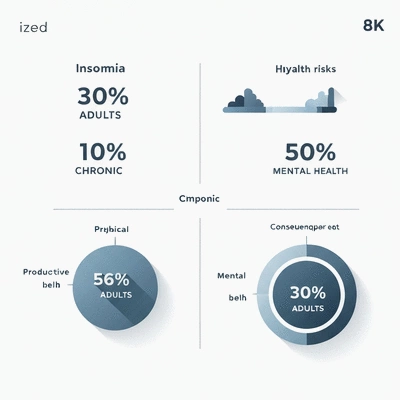
This visual summarizes the widespread impact of insomnia and outlines common approaches to its treatment.
Insomnia Prevalence
Adults experience insomnia symptoms.
Suffer from chronic insomnia (3+ months).
Key Treatment Approaches
- •
CBT-I: Gold standard for healthier sleep habits.
- •
Pharmacological Options: Medications like benzodiazepines and DORAs.
- •
Non-pharmacological: Sleep hygiene, relaxation techniques.
Understanding Insomnia and Its Treatment Landscape
Have you ever found yourself wide awake at 2 a.m., desperately wishing for just a few hours of peaceful sleep? Insomnia is a common problem that affects millions of people, and understanding it is the first step toward better sleep. It’s more than just a nuisance; insomnia can have serious implications for our health, mood, and daily functioning.
So, why does it matter? Insomnia isn’t just about struggling to fall asleep; it can lead to fatigue, reduced productivity, and even contribute to mental health issues like anxiety and depression. Acknowledging the importance of tackling insomnia can pave the way for healthier, more fulfilling lives.
What is Insomnia and Why Does it Matter?
Insomnia is characterized by difficulties in falling asleep, staying asleep, or waking up too early without being able to return to sleep. It can manifest as either acute or chronic, depending on how often and how long it occurs. At Sleep Well Insights, I emphasize the need for awareness surrounding this issue, as knowledge can empower individuals to seek appropriate solutions.
- Acute Insomnia: Short-term, often triggered by stress or significant life events.
- Chronic Insomnia: Persistent difficulty with sleep occurring at least three times a week for three months or longer.
- Comorbid Insomnia: Insomnia that occurs alongside other health conditions, like anxiety or depression.
Understanding these types can help in identifying the best approaches for treatment. When patients can recognize their specific struggles, they become more equipped to search for the right support and solutions.
The Prevalence and Impact of Insomnia on Daily Life
Insomnia is not just a personal battle; it is a widespread epidemic. Research indicates that approximately 30% of adults experience insomnia symptoms, with about 10% suffering from chronic insomnia. This widespread prevalence signifies a pressing need for effective treatments and strategies.
- Reduced Productivity: Many people struggling with insomnia report difficulties concentrating and staying productive at work.
- Increased Health Risks: Chronic insomnia can increase the risk of various health problems, including heart disease and diabetes.
- Impact on Mental Health: Insomnia can exacerbate conditions like anxiety and depression, creating a tough cycle of sleeplessness and mental distress.
Recognizing these impacts helps illustrate why addressing insomnia is crucial—not just for the individual, but for society as a whole. With a clear understanding of the challenges it presents, we are better positioned to pursue effective solutions.
Understanding Sleep Disorders: Types and Symptoms
Beyond insomnia, there are various sleep disorders that can affect sleep quality. These include sleep apnea, restless legs syndrome, and narcolepsy, among others. Each disorder comes with its own set of symptoms and treatment needs, making it essential for individuals to identify their specific issues.
- Sleep Apnea: Characterized by pauses in breathing during sleep, leading to frequent awakenings.
- Restless Legs Syndrome: An uncontrollable urge to move one’s legs, often disrupting sleep.
- Narcolepsy: A neurological disorder that affects the body's ability to control sleep-wake cycles.
Understanding these disorders can be a game-changer for many individuals. With the right information, they can seek proper evaluations and treatments, leading to better sleep and improved overall health.
Did You Know?
Approximately 30% of adults experience insomnia symptoms, with about 10% suffering from chronic insomnia. This makes it imperative to address sleep disturbances not only for personal well-being but also for broader societal health.
Summarizing Effective Approaches to Insomnia Treatment
As we navigate the complex landscape of insomnia treatment, it’s crucial to understand the various options available. From medications to therapeutic techniques, each approach has its own merits and potential drawbacks. By summarizing these effective treatments, we can empower ourselves to make informed decisions about our sleep health!
Here are some key takeaways regarding medications and therapies for insomnia:
- Cognitive Behavioral Therapy for Insomnia (CBT-I) is often regarded as the gold standard, helping many individuals develop healthier sleep habits.
- Pharmacological options include traditional medications like benzodiazepines and newer treatments such as Dual Orexin Receptor Antagonists (DORAs), each having unique effects.
- Non-pharmacological therapies like sleep hygiene practices and relaxation techniques can greatly enhance sleep quality without medication.
- Combining various therapies can yield better results, especially for those with comorbid conditions like anxiety.
Remember, what works for one person may not work for another, so exploring these options with an open mind is essential. At Sleep Well Insights, we encourage you to consider these takeaways as you embark on your journey toward better sleep.

Frequently Asked Questions (FAQs)
Here are some common questions about insomnia and its treatment:
- What are the main types of insomnia?
Insomnia is typically classified into acute (short-term), chronic (long-term), and comorbid (occurring with other health conditions). - How common is insomnia?
Approximately 30% of adults experience insomnia symptoms, and about 10% suffer from chronic insomnia. - What is CBT-I?
CBT-I stands for Cognitive Behavioral Therapy for Insomnia. It is considered the gold standard treatment, focusing on developing healthier sleep habits and addressing underlying cognitive and behavioral factors contributing to insomnia. - Are there medications for insomnia?
Yes, pharmacological options include traditional medications like benzodiazepines and newer treatments such as Dual Orexin Receptor Antagonists (DORAs). - Can non-pharmacological methods help with insomnia?
Absolutely. Non-pharmacological therapies like improving sleep hygiene, practicing relaxation techniques, and maintaining a consistent sleep schedule can significantly improve sleep quality without medication.
Next Steps for Patients: Making Informed Decisions
Now that you have a clearer understanding of the treatment landscape, what’s next? It’s time to take actionable steps toward improving your sleep quality. Here are some practical tips to guide you:
- Consult a healthcare professional: Discuss your symptoms and treatment options to find what’s right for you.
- Consider a sleep journal: Document your sleep patterns and any factors affecting your rest. This can provide valuable insights!
- Explore various therapies: From CBT-I to relaxation techniques, try different approaches to see what fits your needs best.
- Educate yourself: Continue learning about insomnia and treatment options through reliable resources like Sleep Well Insights.
By taking these steps, you’re not just passively waiting for sleep to arrive; you're actively engaging in your health! Remember, knowledge is power, and making informed decisions can lead to a rejuvenated life.
Encouraging Continued Learning and Engagement
Resources for Further Information on Insomnia Management
At Sleep Well Insights, we believe that ongoing education is vital for managing insomnia effectively. Here are some fantastic resources to deepen your understanding and help you navigate your sleep challenges:
- Books on sleep science and CBT-I techniques
- Webinars and online workshops focusing on sleep health
- Podcasts featuring experts discussing insomnia treatments
- Community forums where you can connect with others facing similar challenges
These resources will enhance your knowledge and provide community support as you tackle sleep difficulties. Remember, you’re not alone on this journey!
Invitation to Share Experiences and Insights on Treatment Journeys
Your experiences matter! I invite you to share your own stories and insights about insomnia treatment. Whether you’ve found success with CBT-I, medications, or non-pharmacological approaches, your journey can inspire others. Together, we can create a supportive community where we learn from one another.
Feel free to reach out through our website or social media platforms. Let’s engage in conversations that promote understanding and hope in the realm of sleep health!
Recap of Key Points
Here is a quick recap of the important points discussed in the article:
- Understanding Insomnia: Insomnia can be acute or chronic, and recognizing its types is essential for effective treatment.
- Impact on Daily Life: Insomnia affects productivity, increases health risks, and can exacerbate mental health issues.
- Effective Treatments: Cognitive Behavioral Therapy for Insomnia (CBT-I) is often the gold standard, alongside various pharmacological and non-pharmacological options.
- Next Steps: Consulting healthcare professionals and maintaining a sleep journal can aid in making informed decisions about treatment options.
- Ongoing Education: Utilizing resources and community support can enhance understanding and management of insomnia.