

Have you ever found yourself tossing and turning at night, your mind racing with thoughts that prevent you from falling asleep? Understanding the concept of hyperarousal could be your key to unlocking better sleep. Let’s explore how this heightened state of awareness connects to insomnia and discover ways to reclaim your restful nights.
What You Will Learn
- Hyperarousal is a heightened state of awareness that disrupts sleep by keeping both mind and body in a constant state of alertness.
- Physiological hyperarousal includes reactions like increased heart rate and muscle tension, while cognitive hyperarousal involves racing thoughts and anxiety.
- The HPA axis plays a critical role in the connection between hyperarousal and insomnia, significantly affecting sleep quality due to cortisol release.
- Effective treatment strategies for insomnia related to hyperarousal include Cognitive Behavioral Therapy for Insomnia (CBT-I), mindfulness techniques, and improving sleep hygiene.
Hyperarousal and Insomnia: A Dual-Mechanism Perspective
Understanding the interplay between physiological and cognitive hyperarousal is key to addressing sleep issues effectively.
Physiological Hyperarousal
The body's heightened state of alertness due to stress or perceived threat.
- • Rapid Heartbeat
- • Increased Muscle Tension
- • Sweating
- • Shortness of Breath
Cognitive Hyperarousal
The mental component of heightened awareness, often characterized by racing thoughts.
- • Racing Thoughts
- • Excessive Worrying
- • Difficulty Concentrating
- • Mental Planning
Treatment Approaches for Insomnia
Strategies to manage hyperarousal and improve sleep quality.
- • CBT-I (Cognitive Behavioral Therapy for Insomnia)
- • Mindfulness Techniques
- • Sleep Hygiene Education
- • Stress Management
Practical Steps for Better Sleep
Actionable recommendations for individuals seeking to improve sleep.
- • Track Sleep Patterns
- • Implement Relaxation Techniques
- • Establish a Routine
- • Consult a Sleep Specialist
Defining Hyperarousal and Its Connection to Insomnia
When we think about insomnia, one term that often arises is hyperarousal. It’s essential to understand what this means and how it intertwines with our sleep challenges. Hyperarousal can be described as a heightened state of awareness, where your mind and body remain in a constant state of alertness. This state can make it incredibly difficult to relax, leading to those restless nights we all dread!
For many of us, the experience of lying in bed with our minds racing is all too familiar. I often hear from readers at Sleep Well Insights who face this very struggle. Our daily lives, filled with stress and anxiety, can trigger this hyperarousal, which keeps us from falling asleep—even when we desperately need it.

What is Hyperarousal?
To truly grasp the connection between hyperarousal and insomnia, we need to delve into the concept itself. In simple terms, hyperarousal refers to an increased state of physiological and psychological activation. It manifests through various symptoms, including heightened anxiety, restlessness, and even physical reactions such as a racing heart. This heightened physiological arousal is a common feature in individuals with insomnia, as highlighted in studies on the pathophysiology of insomnia.
- Physiological Hyperarousal: This includes bodily reactions, like increased heart rate and muscle tension.
- Cognitive Hyperarousal: This involves racing thoughts, worries, and a constant mental dialogue that can keep you awake.
Recognizing these symptoms can be the first step toward addressing your insomnia. By understanding hyperarousal, you can explore effective strategies to manage it.
Understanding the Concept of Hyperarousal
Hyperarousal often stems from our body's natural response to stress or threats—think of it as a survival mechanism. This response is helpful in dangerous situations but can become a problem when it’s activated during the night while you’re trying to sleep! The result? You may find yourself staring at the ceiling, feeling wide awake.
At Sleep Well Insights, I’ve learned from various studies that hyperarousal is a common issue for those with insomnia. It’s crucial to recognize that this heightened state can be both a physiological and psychological experience, deeply affecting your sleep quality.
Physiological vs. Cognitive Hyperarousal
Understanding the distinction between physiological and cognitive hyperarousal is vital. Physiological hyperarousal relates to the body's responses, such as increased heart rate and blood pressure, which can be triggered by stress. On the other hand, cognitive hyperarousal refers to the mental processes that can keep you awake, including anxiety and intrusive thoughts. Both forms of hyperarousal are known to significantly impact sleep, with research indicating a clear link between stress-induced physiological responses and sleep disturbances.
- Physiological Symptoms: Rapid heartbeat, sweating, and muscle tension.
- Cognitive Symptoms: Worrying, overthinking, and difficulty concentrating.
Both forms of hyperarousal significantly contribute to sleep disturbances. By learning to identify and address these symptoms, you can take proactive steps toward better sleep.
The Mechanisms Behind Hyperarousal and Insomnia
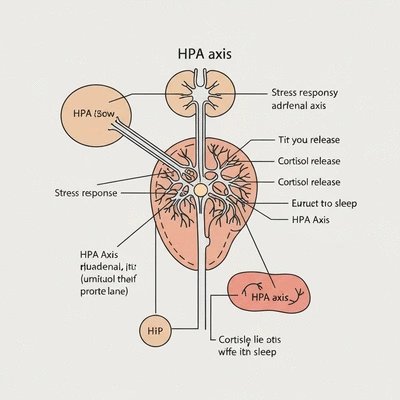
Understanding the mechanisms that link hyperarousal with insomnia can empower individuals facing sleep issues. One crucial aspect is the role of the HPA axis (hypothalamic-pituitary-adrenal axis), which regulates our body's stress response. This system triggers the release of cortisol, a hormone that can severely impact sleep quality, as detailed in studies examining the impact of chronic stress on sleep and the HPA axis.
As we explore these underlying mechanisms, you’ll see how addressing hyperarousal can lead you to a more restful night’s sleep. Let’s dive in and look at how our bodies respond to stress and what it means for our sleep quality!
Pro Tip
To effectively combat hyperarousal, consider establishing a calming pre-sleep routine. Activities such as reading a book, practicing gentle yoga, or engaging in deep breathing exercises can significantly lower your stress levels. This intentional wind-down period helps signal your body that it's time to relax, making it easier to transition into sleep.
Summarizing Key Insights on Hyperarousal and Insomnia
Understanding hyperarousal is crucial in addressing sleep disorders like insomnia. It provides a framework for recognizing how heightened states of alertness can interfere with the ability to fall and stay asleep. By framing our understanding of insomnia through the lens of hyperarousal, we can better approach its treatment and management.
When we acknowledge hyperarousal as a driving factor behind sleeplessness, we can develop more effective interventions. This recognition allows sleep health advocates like myself at Sleep Well Insights to share tailored strategies that empower individuals in their journey towards restful nights.
The Importance of Understanding Hyperarousal in Sleep Disorders
As we explore the connection between hyperarousal and insomnia, it’s essential to highlight the various factors that contribute to this phenomenon. Some key insights include:
- Mind-Body Connection: Understanding how psychological stress impacts physiological responses.
- Sleep Cycle Disruption: Recognizing the role of hyperarousal in interrupting natural sleep cycles.
- Individual Variability: Acknowledging that each person's experience with insomnia and hyperarousal can differ significantly.
By gaining insight into these elements, we can enhance our treatment approaches. This understanding allows professionals and individuals alike to create personalized strategies that target the root causes of insomnia, rather than just its symptoms.
How Recognizing Hyperarousal Can Enhance Treatment Approaches
When we look at treatment through the lens of hyperarousal, we can tailor interventions to specifically address the unique needs of those struggling with insomnia. Some effective treatment strategies include:
- Cognitive Behavioral Therapy for Insomnia (CBT-I): This behavioral intervention focuses on changing thoughts and behaviors that contribute to sleep issues.
- Mindfulness Techniques: Practices such as deep breathing or meditation help reduce hyperarousal and promote relaxation.
- Sleep Hygiene Education: Simple changes in daily routines can significantly improve sleep quality.
Implementing these strategies can lead to more effective management of insomnia, ultimately guiding individuals toward more restful nights.
Encouraging Action and Further Exploration
Next Steps for Managing Hyperarousal and Insomnia
Taking action is crucial for those experiencing hyperarousal-related insomnia. Here are some practical steps to consider:
- Track Your Sleep Patterns: Keeping a sleep journal can reveal patterns and triggers affecting your sleep.
- Implement Relaxation Techniques: Try incorporating mindfulness or yoga into your daily routine to help manage stress levels.
- Consult a Sleep Specialist: Professional guidance can provide personalized strategies and treatments.
As a sleep health advocate, I encourage you to take these steps seriously. Managing hyperarousal is a journey, and seeking help can make a significant difference!
Implementing Practical Strategies and Seeking Professional Guidance
In your quest for better sleep, utilizing available resources and strategies is essential. Here are some suggestions for practical implementation:
- Establish a Sleep Routine: Go to bed and wake up at the same time every day to regulate your body’s internal clock.
- Create a Sleep-Friendly Environment: Ensure your bedroom is dark, quiet, and cool to promote restful sleep.
- Explore Professional Options: Consider speaking with a healthcare professional about cognitive behavioral therapy or medication options.
With these tools, you can begin to manage your hyperarousal and work towards improving your sleep quality!
FAQs: Addressing Common Concerns About Hyperarousal and Sleep
As we delve further into hyperarousal and its effects on sleep, it’s common to have questions. Here are a few frequently asked questions:
- What is hyperarousal in the context of sleep? Hyperarousal is a state of heightened physiological and cognitive alertness that makes it difficult to fall asleep or stay asleep. It keeps your mind and body active when they should be winding down for rest.
- What are the main symptoms of hyperarousal related to insomnia? Symptoms include a rapid heartbeat, muscle tension, sweating (physiological), and racing thoughts, excessive worrying, or difficulty concentrating (cognitive).
- How does the HPA axis contribute to hyperarousal and insomnia? The HPA axis is the body's central stress response system. When activated, it releases cortisol, a stress hormone that can increase alertness and interfere with the sleep-wake cycle, making it harder to initiate and maintain sleep.
- What are effective treatment strategies for hyperarousal-related insomnia? Effective strategies include Cognitive Behavioral Therapy for Insomnia (CBT-I), mindfulness techniques (like deep breathing and meditation), and improving sleep hygiene (consistent routines, optimal sleep environment).
- When should I seek professional help for hyperarousal and insomnia? If self-help strategies and improved sleep hygiene do not alleviate your insomnia, or if your sleep difficulties are significantly impacting your daily life, it is advisable to consult a healthcare professional or a sleep specialist.
The Relationship Between Mental Health and Sleep Disorders
Understanding how mental health impacts sleep is vital for those struggling with insomnia. Conditions like anxiety and depression can significantly affect sleep quality. Here’s how:
- Anxiety: Heightened worry can lead to increased hyperarousal, making it difficult to wind down at night.
- Depression: This often comes with disruptions in sleep patterns, either causing insomnia or excessive sleepiness.
- Stress Management: Learning to manage stress through therapy can improve both mental health and sleep quality.
By addressing these interconnections, we can create a holistic approach to sleep health that promotes overall well-being. Remember, it’s okay to ask for help, and taking steps toward understanding your sleep is a powerful move!
Recap of Key Points
Here is a quick recap of the important points discussed in the article:
- Understanding Hyperarousal: Hyperarousal is a heightened state of awareness that can lead to insomnia through physiological and cognitive symptoms.
- Types of Hyperarousal: Physiological hyperarousal includes physical symptoms like increased heart rate, while cognitive hyperarousal encompasses racing thoughts and anxiety.
- Mechanisms Affecting Sleep: The HPA axis plays a crucial role in how stress impacts sleep quality, often leading to insomnia.
- Effective Treatment Strategies: Approaches such as Cognitive Behavioral Therapy for Insomnia (CBT-I), mindfulness techniques, and sleep hygiene education can help manage hyperarousal and improve sleep.
- Take Action: Tracking sleep patterns, implementing relaxation techniques, and consulting with a sleep specialist are vital steps for those struggling with insomnia.